
Protecting Our Most Vulnerable Residents
July 27, 2018
Preventing, monitoring and treating infections is important for all health care facilities to keep one case from turning into dozens and ensuring the comfort of residents. For the Masonic Village at Elizabethtown, protecting 453 residents who reside in the Masonic Health Care Center is a top priority, including reducing a dependency on antibiotics by 10 percent.
Infection prevention policies include mandatory influenza vaccinations for employees (those who cannot be vaccinated must wear masks while at work during the flu season), providing residents with vaccinations when they move in, educating staff on diligent hand hygiene and closing resident neighborhoods when necessary to prevent the spread of any infections.
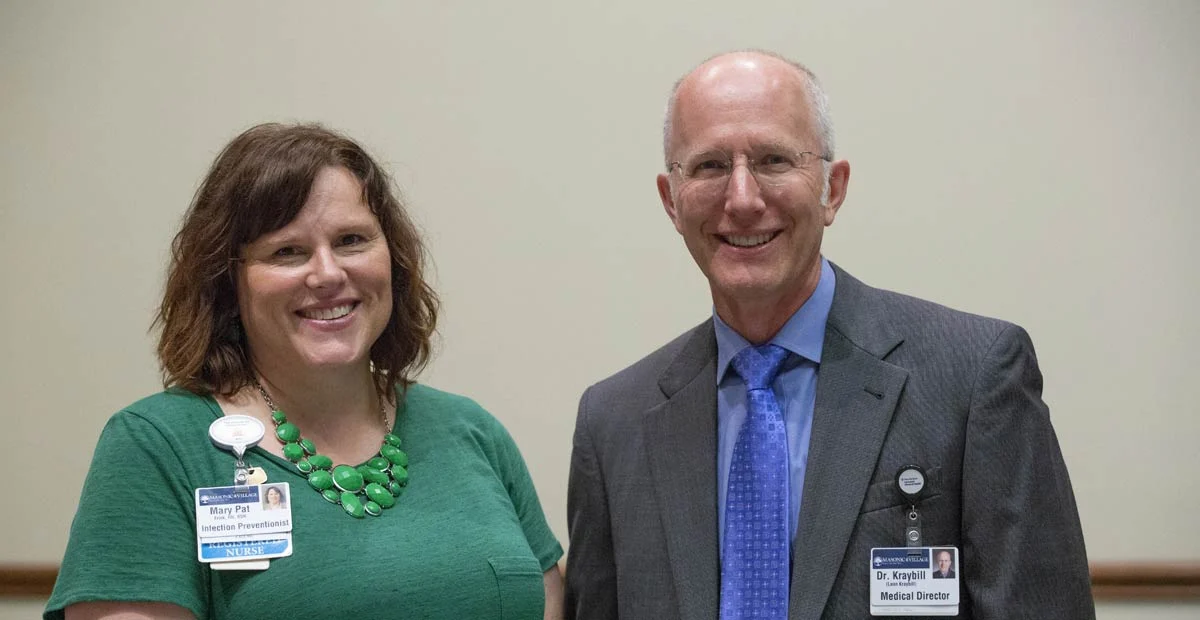
“It is easier to prevent a disease than it is to treat it,” Mary Pat Frick, R.N., infection preventionist at Masonic Village, said. “When staff are committed to best practices, our residents receive better care with less adverse effects.”
Despite the best efforts of staff, when infections occur, Masonic Village’s medical director and nursing staff must make decisions on how to treat those affected, which may or may not include prescribing antibiotics.
Antibiotics are among the most commonly prescribed pharmaceuticals in long-term care settings, a high proportion of which are unnecessary, according to Mary Pat. Consequences can include adverse drug reactions or interactions, the development of gastrointestinal infections, the emergence of multi-drug resistant organisms, antibiotic failure, increased mortality and greatly increased costs.
The Centers for Disease Control and Prevention characterizes antibiotic resistance as “one of the world’s most pressing public health threats,” and long-term care facilities are increasingly recognized as hotbeds for antibiotic-resistant bacteria.
Masonic Village is one of 30 long-term care organizations which belong to the Pennsylvania Safety Authority’s (PSA) Collaborative on Antibiotic Stewardship. The initiative’s goal is to assist facilities in establishing a stewardship program, and ultimately, reducing the number of unnecessary antibiotic prescriptions by 10 percent.
The stewardship program includes actively tracking overall antibiotic use and monitoring for appropriateness – using them only when truly needed and using the right antibiotic for each infection. This includes an antibiotic time-out policy, which requires waiting to treat until pertinent lab work is reviewed, and an antibiotic treatment guidance policy, which assists providers in appropriate antibiotic use for specific (and most common) infections based on best practices. Other tools, policies and procedures guide staff toward more responsible and effective use of antibiotics.
Since implementing new procedures last year, Masonic Village has reduced its overall antibiotic use by 10 percent and the overall number of doses by 21 percent. By waiting for lab work to show conclusive results on conditions, such as urinary tract infections, staff avoid prescribing unnecessary antibiotics. When an antibiotic is deemed necessary, staff have a better plan for exactly how long it is needed.
“With PSA’s guidance, we are working on enhancing our practices,” Mary Pat said. “This ultimately leads to the best quality of care for our residents, which is always our number one goal.”
“Antibiotic stewardship is one piece of the bigger Masonic Village pursuit of quality care,” said Dr. Leon Kraybill, medical director. “It’s a never-ending repetitive cycle of studying, learning, teaching discussing, and repeating that process. It’s a lot of work, but the result is better quality of care and better quality of life for our residents here.”
More from Masonic Village
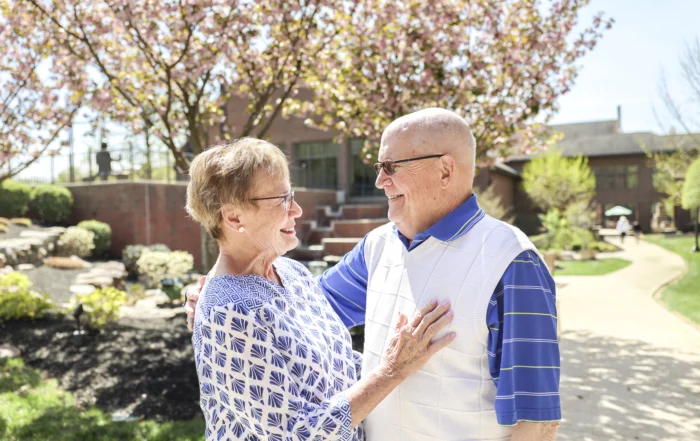
Finding the Right Level of Support for Your Lifestyle: Independent Versus Assisted Living
Depending on their lifestyle and health care needs, older adults approaching retirement age may find that the ideal living option for one person isn't necessarily the best fit for another. Considering the unique wants
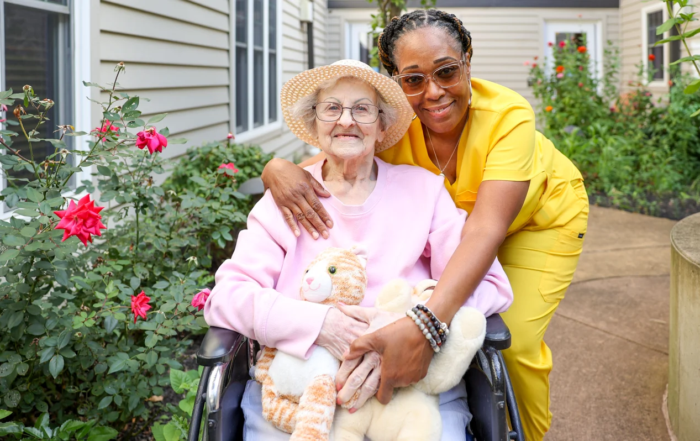
2025 Community Impact Report
As a nonprofit organization, and as part of our Mission of Love, Masonic Village extends services to surrounding communities and individuals of all ages. Throughout 2025, our efforts focused on enhancing local businesses and nonprofits, supporting economic development, enriching students, engaging children, assisting those in need and encouraging residents’ participation.
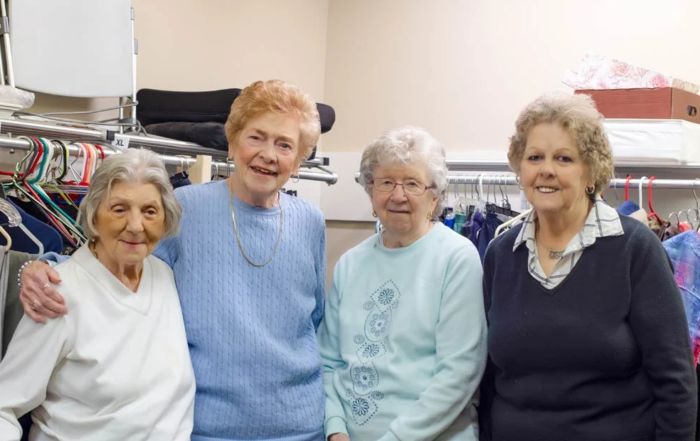
Generous Hearts and Souls Volunteer Their Time Across Masonic Village
Volunteers contribute to Masonic Village in countless ways, enhancing care for residents and assisting staff with day-to-day tasks. They also discover self-fulfillment through their efforts.
Hustling to Heal
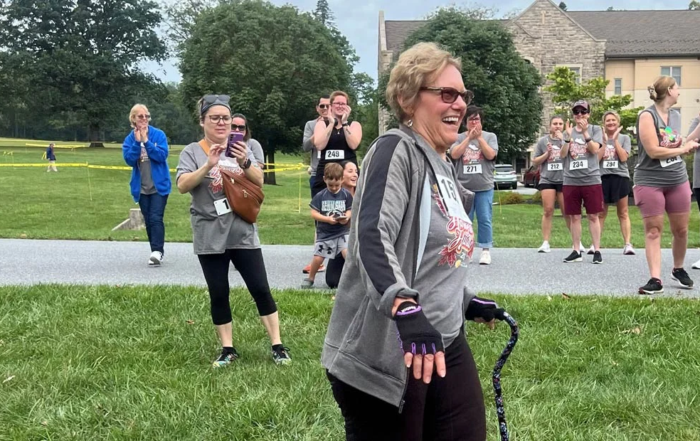
Maureen Jackson was competing for more than a trophy when took part in Masonic Village's Harvest Hustle. Thanks to staff across the Rehabilitation, Home Health and Wellness Departments, five months after breaking her leg, she was taking back her independence one step at a time.
Finding the Right Level of Support for Your Lifestyle: Independent Versus Assisted Living
Depending on their lifestyle and health care needs, older adults approaching retirement age may find that the ideal living option for one person isn't necessarily the best fit for another. Considering the unique wants
2025 Community Impact Report
As a nonprofit organization, and as part of our Mission of Love, Masonic Village extends services to surrounding communities and individuals of all ages. Throughout 2025, our efforts focused on enhancing local businesses and nonprofits, supporting economic development, enriching students, engaging children, assisting those in need and encouraging residents’ participation.
Generous Hearts and Souls Volunteer Their Time Across Masonic Village
Volunteers contribute to Masonic Village in countless ways, enhancing care for residents and assisting staff with day-to-day tasks. They also discover self-fulfillment through their efforts.