
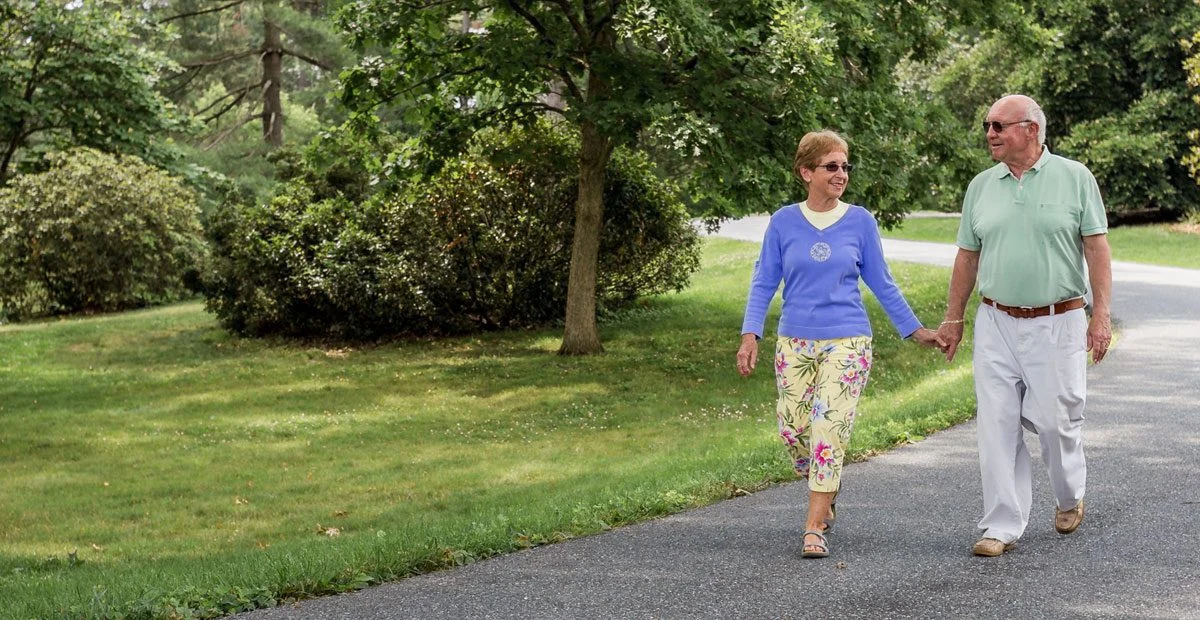
What are the Differences Between For-Profit and Not-for-Profit CCRCs?
March 12, 2019
You have been saving for retirement for decades. When it is finally time to cash in on your investment, wouldn’t you want your money to be well spent?
Both for-profit and not-for-profit continuing care retirement communities (CCRCs) provide the same extent of services and care — ranging from retirement living to personal and nursing care — and often look similar at face value. However, below the surface, the motives of for-profit and not-for-profit organizations are different, and so is the way in which they utilize the money you pay for your care and services.
Revenue and donations earned by not-for-profits, like Masonic Villages, go toward operating and maintaining their communities and advancing their missions instead of providing a financial return to corporate stakeholders. Masonic Villages’ mission is to provide continuing care for aging seniors regardless of their health or financial abilities. Residents of a not-for-profit CCRC have no worry that if they should ever run out of retirement savings they will be forced to leave their home.
Many not-for-profits also adhere to a mission statement that influences and shapes the entire organization’s values. While components of missions can vary depending on the not-for-profit’s affiliation — such as faith or fraternal — most share the same pursuit of quality care and service. As a part of its Mission of Love, Masonic Villages provided approximately $45.9 million in charitable care across five Pennsylvania communities in 2025.
At not-for-profit CCRCs, residents are always the priority. Because they are considered charitable organizations, not-for-profits qualify for tax-exempt status. Being tax-exempt allows these CCRCs to measure success in the form of resident satisfaction and the betterment of the community, instead of in dollars.
The love and quality care that not-for-profits like Masonic Villages invest in their residents reap positive results, even though they may be intangible. According to LeadingAge, not-for-profit organizations have more or higher-quality staff and fewer government citations for deficiencies compared to their for-profit competitors.
Leading Age has also found that having a profit-centered mindset can lead to hazy decision making for leadership in for-profit senior living. They may be put in a position where they must decide whether care should be provided to residents with quality assurance, or in a way that will financially benefit the organization, because upholding both is not always possible.
A voluntary board of directors holds not-for-profit organizations to higher standards of quality services, ethical management and financial integrity. To further ensure the financial integrity of not-for-profit organizations, all of their finances are available to the public online. Masonic Villages provides access to this information in annual reports.
With missions and values like Masonic Villages’, not-for-profit CCRCs make your dollar feel like it is going a little further than it would at a for-profit, as it is being used to pursue a greater purpose. In addition to considering the differences between for-profit and not-for-profit CCRCs, you should consider other important aspects of the community, such as available services and amenities, quality of care, financial viability, professionalism of the staff and the culture of the organization before making your move.
About the Author

Molly Foster, a senior from Shippensburg University, is a public relations associate at Masonic Villages.
More from Masonic Village
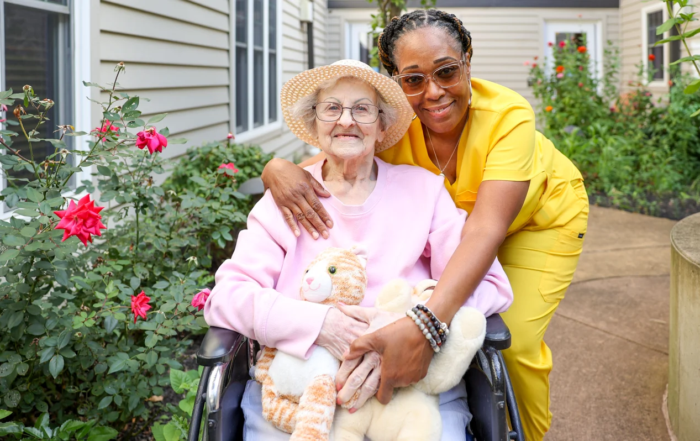
2025 Community Impact Report
As a nonprofit organization, and as part of our Mission of Love, Masonic Village extends services to surrounding communities and individuals of all ages. Throughout 2025, our efforts focused on enhancing local businesses and nonprofits, supporting economic development, enriching students, engaging children, assisting those in need and encouraging residents’ participation.
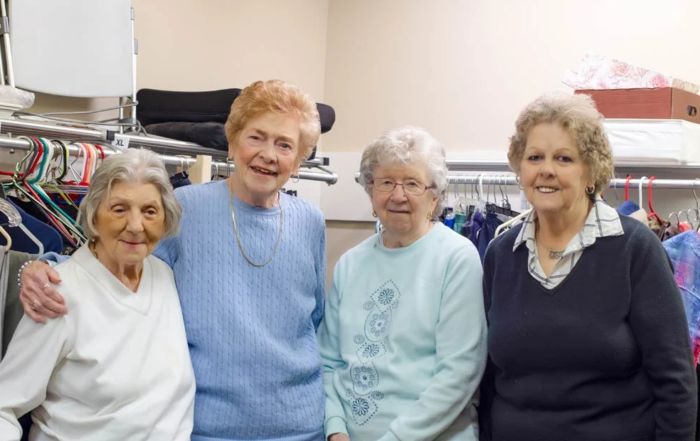
Generous Hearts and Souls Volunteer Their Time Across Masonic Village
Volunteers contribute to Masonic Village in countless ways, enhancing care for residents and assisting staff with day-to-day tasks. They also discover self-fulfillment through their efforts.
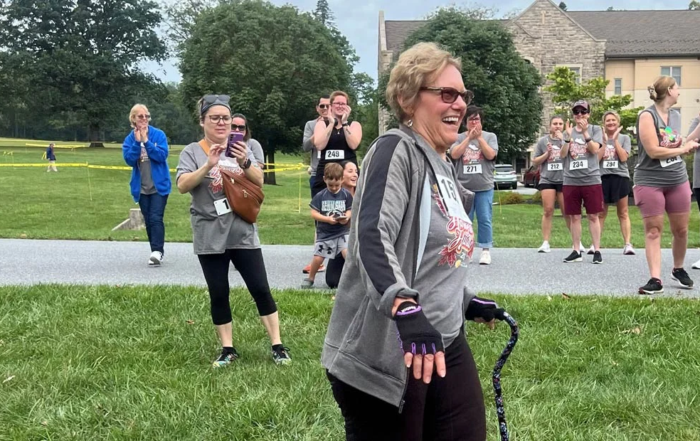
Hustling to Heal
Maureen Jackson was competing for more than a trophy when took part in Masonic Village's Harvest Hustle. Thanks to staff across the Rehabilitation, Home Health and Wellness Departments, five months after breaking her leg, she was taking back her independence one step at a time.
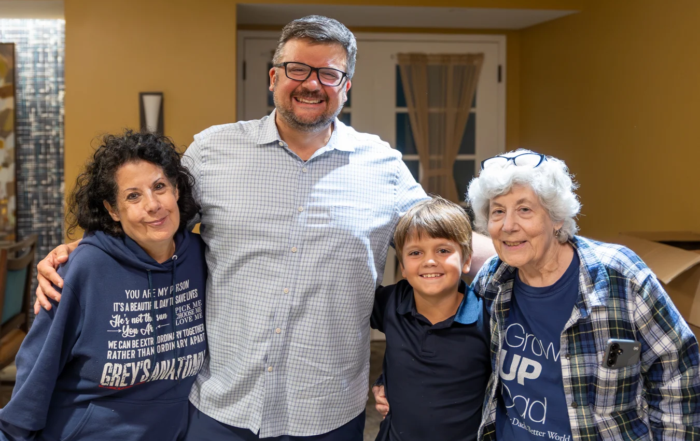
Son of Masonic Village at Lafayette Hill Resident Screens PBS Documentary on Redefining Fatherhood
Masonic Village at Lafayette Hill resident Paula Gidjunis recently screened a PBS documentary series about fathering, directed and hosted by her son, Philadelphia filmmaker Joe Gidjunis, 42.
2025 Community Impact Report
As a nonprofit organization, and as part of our Mission of Love, Masonic Village extends services to surrounding communities and individuals of all ages. Throughout 2025, our efforts focused on enhancing local businesses and nonprofits, supporting economic development, enriching students, engaging children, assisting those in need and encouraging residents’ participation.
Generous Hearts and Souls Volunteer Their Time Across Masonic Village
Volunteers contribute to Masonic Village in countless ways, enhancing care for residents and assisting staff with day-to-day tasks. They also discover self-fulfillment through their efforts.
Hustling to Heal
Maureen Jackson was competing for more than a trophy when took part in Masonic Village's Harvest Hustle. Thanks to staff across the Rehabilitation, Home Health and Wellness Departments, five months after breaking her leg, she was taking back her independence one step at a time.