

Dealing with Depression
September 7, 2016

About the Author – This “Health Update” was written by J. Kenneth Brubaker, M.D., C.M.D., medical director at Masonic Village at Elizabethtown.
Depression is a very common medical problem among older adults, and is often broken down into two categories: major depression and minor depression. In all cases of depression, a person will experience a depressed mood and/or loss of interest or pleasure.
To diagnose a major depression, one must also experience four of the seven symptoms listed below for a minimum of two weeks. For a diagnosis of a minor depression, one must also experience two or three of the below symptoms for two weeks.
- Weight loss or gain
- Insomnia or hypersomnia
- Restlessness or tiredness
- Decreased energy
- Feelings of guilt
- Inability to concentrate
- Thoughts of depression or suicide
Depression can develop as a result of an underactive thyroid or low B-12 levels. Thyroid and B-12 deficiencies are commonly diagnosed in the older adult population. In addition, medications can also contribute to suppressing the thyroid gland which causes hypothyroidism. Two commonly used medications, lithium and amiodarone, are some of the worst offenders for suppressing the production of the thyroid hormone levothyroxine.
Grief is a common experience among all ages, but it is especially common among older adults as they experience the loss of friends, spouses and other extended family members. Grief may present like a depression but shouldn’t last beyond six to 12 months. While grief is commonly associated with symptoms of depression, a grieving person usually does not experience the common signs and symptoms that are observed with a depressed mood, namely loss of interest or pleasure.
Treatment
Treatment of depression is very important since depression usually affects one’s quality of life. Some people prefer working closely with a psychologist without the use of antidepressant medications, while others prefer taking antidepressants with or without therapy. Psychotherapy, combined with an antidepressant, has been associated with a longer period of remission after recovery from the acute onset of depression.
Fortunately, there are many antidepressant medications which can be helpful in the treatment of major or minor depressions. Citalopram (commonly known as Celexa) is one of the most frequently used antidepressant medications in older adults since it has few side effects. Other commonly used antidepressants include Remeron, Wellbutrin, Zoloft, Cymbalta and Effexor.
It is important to remember there is no one antidepressant that is superior to another. If one antidepressant isn’t effective within six to 12 weeks, another will be tried. Sometimes, one antidepressant will help the depression, but an additional antidepressant may be required, similar to the additive benefits of treating hypertension with more than one antihypertension medication.
One of the most difficult decisions is determining when treatment for depression can be discontinued. For younger people with a depression, the length of treatment is usually six to 12 months with subsequent slow reduction of the antidepressant medication. Treatment of older adults is much more complicated. Over the past 10 years, there have been several side effects associated with antidepressants which impact patient safety. Two reported adverse effects are gastrointestinal bleeds and increased falls.
Ultimately, the decision of the patient/family and physician depends on weighing the risks and benefits between long-term antidepressant treatment versus discontinuing the antidepressant after six to 24 months. This decision is compounded by the fact that discontinuing antidepressants in some older adults contributes to reoccurrence of the depression, and restarting the same antidepressant at the same dosage is no longer effective.
Despite these concerns, depression is very treatable. The sooner an older adult and/or his/her physician recognize the signs and symptoms of depression, the quicker it can be treated successfully.
More from Masonic Village
2025 Community Impact Report
As a nonprofit organization, and as part of our Mission of Love, Masonic Village extends services to surrounding communities and individuals of all ages. Throughout 2025, our efforts focused on enhancing local businesses and nonprofits, supporting economic development, enriching students, engaging children, assisting those in need and encouraging residents’ participation.
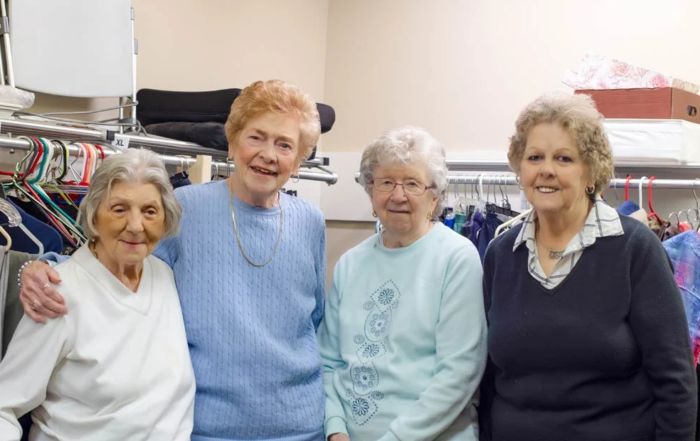
Generous Hearts and Souls Volunteer Their Time Across Masonic Village
Volunteers contribute to Masonic Village in countless ways, enhancing care for residents and assisting staff with day-to-day tasks. They also discover self-fulfillment through their efforts.
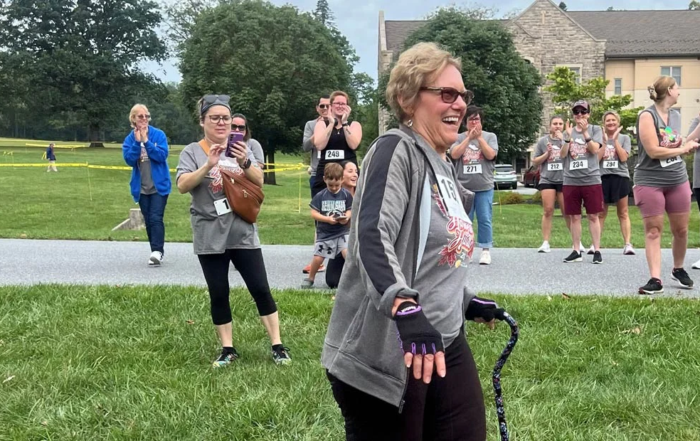
Hustling to Heal
Maureen Jackson was competing for more than a trophy when took part in Masonic Village's Harvest Hustle. Thanks to staff across the Rehabilitation, Home Health and Wellness Departments, five months after breaking her leg, she was taking back her independence one step at a time.
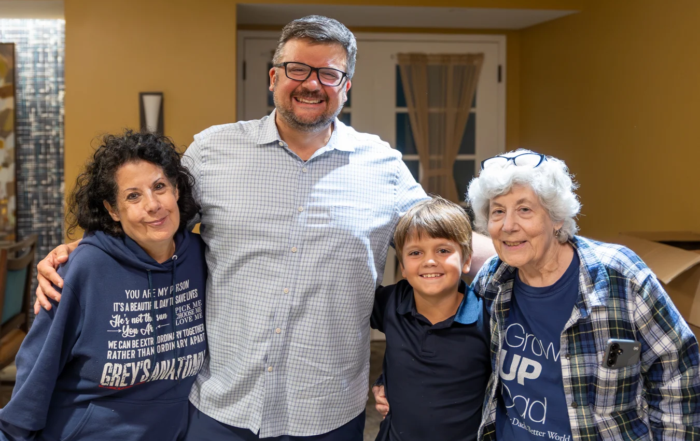
Son of Masonic Village at Lafayette Hill Resident Screens PBS Documentary on Redefining Fatherhood
Masonic Village at Lafayette Hill resident Paula Gidjunis recently screened a PBS documentary series about fathering, directed and hosted by her son, Philadelphia filmmaker Joe Gidjunis, 42.
2025 Community Impact Report
As a nonprofit organization, and as part of our Mission of Love, Masonic Village extends services to surrounding communities and individuals of all ages. Throughout 2025, our efforts focused on enhancing local businesses and nonprofits, supporting economic development, enriching students, engaging children, assisting those in need and encouraging residents’ participation.
Generous Hearts and Souls Volunteer Their Time Across Masonic Village
Volunteers contribute to Masonic Village in countless ways, enhancing care for residents and assisting staff with day-to-day tasks. They also discover self-fulfillment through their efforts.
Hustling to Heal
Maureen Jackson was competing for more than a trophy when took part in Masonic Village's Harvest Hustle. Thanks to staff across the Rehabilitation, Home Health and Wellness Departments, five months after breaking her leg, she was taking back her independence one step at a time.