
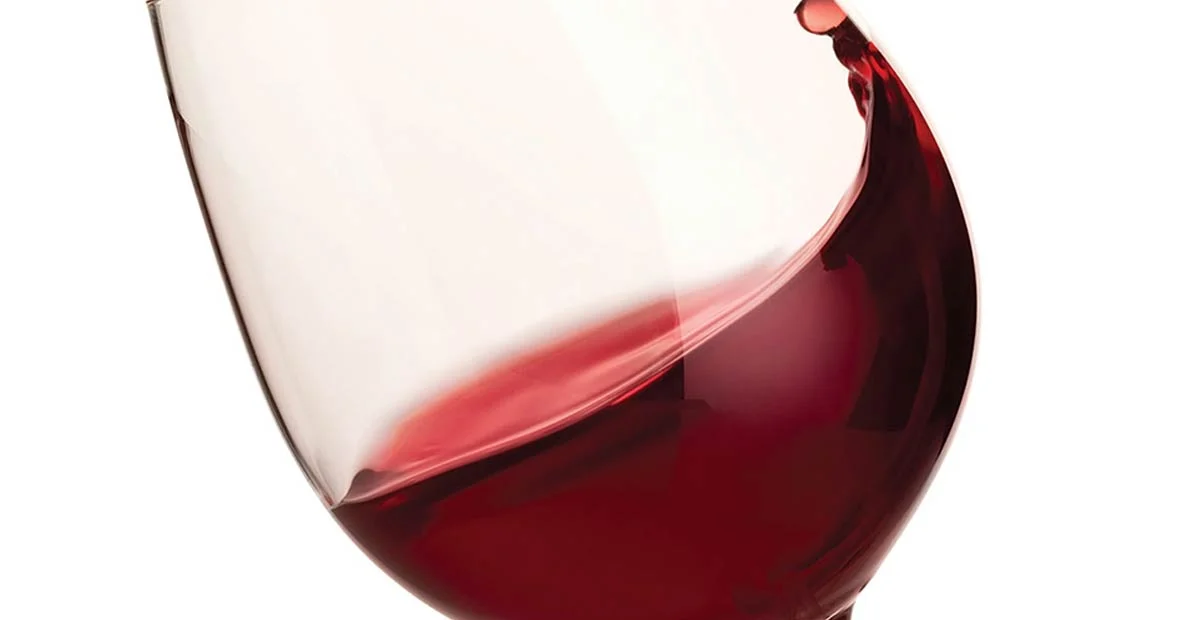
Red Wine: A Soldier in the Fight Against Alzheimer’s Disease
August 25, 2015

About the Author – This “Health Update” was written by J. Kenneth Brubaker, M.D., C.M.D., medical director at Masonic Village at Elizabethtown.
Does red wine prevent the development of Alzheimer’s disease as we age? Recent research studies demonstrated the relative risk of dementia was much lower in people who drank moderate amounts of red wine each day compared to those who drank none.
Antioxidants to the Rescue
Researchers have ascribed the health benefits of red wine to be related to polyphenols that appear to suppress brain cells’ ability to produce beta-amyloid. The beta-amyloid is a protein precursor which leads to Alzheimer’s disease. Red wine, such as cabernet, contains a wide variety of polyphenol compounds including phenolic acids, flavonoids and anthocyanins. These polyphenols are antioxidants which can play a significant role in the reduction of inflammation in the organs of our bodies. Unchecked inflammation can lead to more rapid decline in organ function as is observed in coronary artery disease, peripheral vascular disease and kidney failure.
Additional research suggests a specific polyphenolic compound, resveratrol, which is found in red wine and many food products, may play an important role in the prevention of an abnormal brain protein, beta-amyloid. Resveratrol is a particularly powerful antioxidant found in high amounts in grape seeds and skins. Since this antioxidant has demonstrated a reduction in certain types of cancer, heart disease, macular degeneration and diabetes, it is reasonable to wonder if the red wine antioxidants, including resveratrol, can also reduce the possibility of developing Alzheimer’s disease.
Research Shows …
In 2006, Dr. Wang Jun’s team studied female mice with genes that stimulate the production of amyloid-beta protein. The researchers separated the mice into three groups: one with access to water spiked with red wine, another with access to water spiked with ethanol and a third with access to only water (teetotalers). The mice were free to drink as much as they wanted for seven months.
The group which had red wine in their water drank an amount of wine equivalent to a 5 ounce glass of wine for women daily or two 5 ounce glasses of wine for men daily. After seven months of research, the three groups of mice were placed in a maze and challenged to find their way out. Those in the red wine group performed best. The mice in the ethanol group were not better at mastering the maze than the teetotalers. These findings suggest ethanol at concentrations comparable to cabernet doesn’t influence memory.
Subsequently, the research group made the maze more complicated. They flipped the finish line to the opposite side of the maze so the mice didn’t find the finish line where they expected it to be. The mice in the red wine group were quicker to adapt to the change. The mice in the ethanol and teetotaler groups “performed poorly” in the new maze.
The researcher than checked the brains of the mice for the development of amyloid-beta proteins. Higher levels of beta-amyloid were seen in mice in the ethanol and teetotaler groups when compared to the decreased beta-amyloid found in the brain tissue of mice that consumed red wine.
The final piece of research involved the scientists dousing cabernet at moderate levels for human consumption on the building blocks of amyloid-beta protein. Instead of making amyloid-beta protein, those chemical building blocks formed a different type of protein that didn’t have the same harmful effects on the brain tissue as beta-amyloid protein.
What the Future May Tell Us
It is important to remember that this research doesn’t confirm red wine antioxidants can prevent Alzheimer’s disease. The results of this interesting research study in mice have led to a much larger research study in humans using the antioxidant resveratrol in a pill form.
While we do not have the final answer to whether red wine prevents Alzheimer’s disease, we can conclude red wine could have some beneficial effects on the human brain if used in moderate amounts. However, there is more research evidence indicating that increased physical activity trumps red wine when it comes to the prevention or slowing down the progression of Alzheimer’s disease as we age. Even though good red wine is tasty with dinner, exercise is certainly less expensive than high quality bottle of wine!
More from Masonic Village
2025 Community Impact Report
As a nonprofit organization, and as part of our Mission of Love, Masonic Village extends services to surrounding communities and individuals of all ages. Throughout 2025, our efforts focused on enhancing local businesses and nonprofits, supporting economic development, enriching students, engaging children, assisting those in need and encouraging residents’ participation.
Generous Hearts and Souls Volunteer Their Time Across Masonic Village
Volunteers contribute to Masonic Village in countless ways, enhancing care for residents and assisting staff with day-to-day tasks. They also discover self-fulfillment through their efforts.
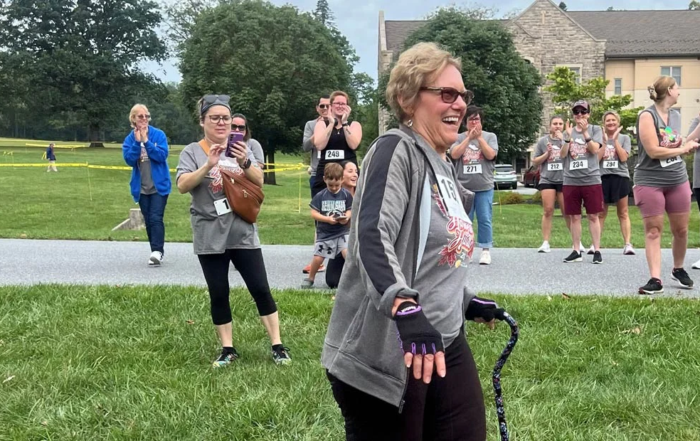
Hustling to Heal
Maureen Jackson was competing for more than a trophy when took part in Masonic Village's Harvest Hustle. Thanks to staff across the Rehabilitation, Home Health and Wellness Departments, five months after breaking her leg, she was taking back her independence one step at a time.
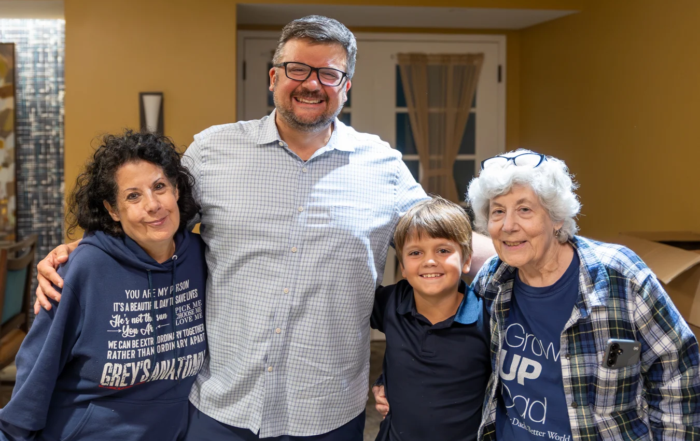
Son of Masonic Village at Lafayette Hill Resident Screens PBS Documentary on Redefining Fatherhood
Masonic Village at Lafayette Hill resident Paula Gidjunis recently screened a PBS documentary series about fathering, directed and hosted by her son, Philadelphia filmmaker Joe Gidjunis, 42.
2025 Community Impact Report
As a nonprofit organization, and as part of our Mission of Love, Masonic Village extends services to surrounding communities and individuals of all ages. Throughout 2025, our efforts focused on enhancing local businesses and nonprofits, supporting economic development, enriching students, engaging children, assisting those in need and encouraging residents’ participation.
Generous Hearts and Souls Volunteer Their Time Across Masonic Village
Volunteers contribute to Masonic Village in countless ways, enhancing care for residents and assisting staff with day-to-day tasks. They also discover self-fulfillment through their efforts.
Hustling to Heal
Maureen Jackson was competing for more than a trophy when took part in Masonic Village's Harvest Hustle. Thanks to staff across the Rehabilitation, Home Health and Wellness Departments, five months after breaking her leg, she was taking back her independence one step at a time.