
Preventing Shingles
September 14, 2016

About the Author – This “Health Update” was written by J. Kenneth Brubaker, M.D., C.M.D., medical director at Masonic Village at Elizabethtown.
Shingles, or herpes zoster, is a common illness among older adults. For many years, researchers have been raising questions as to why this is the case. The most common understanding among geriatricians is we are dealing with a suppressed or less reactive immune system which tends to decline with aging. Particularly vulnerable are persons with immune suppression such as rheumatoid arthritis, systemic lupus erythematosus and Crohn’s disease.
What Causes Shingles?
Shingles is caused by the varicella zoster virus, the same virus that causes chickenpox among children. For those who have been exposed to the chickenpox virus at a young age, the virus continues to remain at the base of their dorsal root ganglia (located near spinal nerves) for many years.
Previously infected persons can develop shingles much later in life. The circumstances which stimulate the re-activation of the chickenpox virus are still not understood by researchers. Shingles is frequently associated with a very painful rash which occurs on one side of the face or body and typically lasts from two to four weeks. One in five persons will experience post-herpetic neuralgia (nerve pain) after the rash clears. This neuropathic pain can last months, and in some cases, years.
How Can Shingles be Prevented?
Experiencing pain is the major reason why there has been a lot of interest in developing an effective vaccine that can reduce the development of shingles, especially among the older adult population.
A vaccine has been given to children to prevent chickenpox for many years, and the virus is no longer seen often among small children. One in three persons who have not been immunized for chickenpox as a child will develop shingles during their lifetime. This equates to one million cases of shingles in the United States annually.
In 2006, a vaccine for shingles, known as Zostavax, was licensed in the United States for adults 60 years and older. Clinical trials have consistently demonstrated a 50 percent reduction in shingles among immunized older adults. More importantly, among those who were immunized against shingles but still experienced the disease, there was a significant reduction of post-herpetic neuralgia.
The Zostavax vaccine is a live virus that is attenuated, which means the virus was altered so the vaccine will not cause active chickenpox, but rather will stimulate the immune system to produce antibodies against the chickenpox virus. Thus, if one is exposed to the wild chickenpox virus in the community, these antibodies will be activated. With successful activation of the antibodies against the chickenpox virus, the Zostavax vaccine prevents the development of shingles.
Ask Your Doctor …
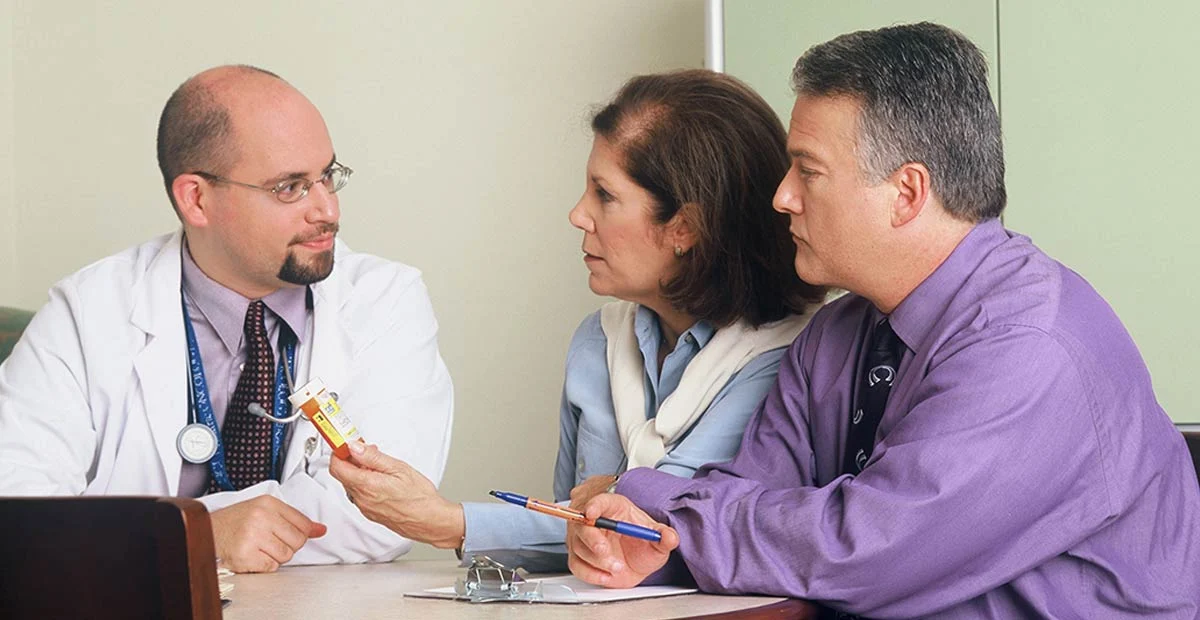
The Zostavax vaccine should not be given to individuals who are allergic to gelatin and the antibiotic neomycin, since both are in the shingles vaccine, or individuals with weak immune systems. Examples of weak immune systems include people with HIV/AIDS, those who are receiving steroids, chemotherapy and/or radiation therapy, and those who have a history of leukemia or lymphoma. Individuals should address concerns about the safety of the Zostavax vaccine with their primary care physician or pharmacist.
Since there is evidence demonstrating the decline in our immune system as we age, I would encourage those who are 60 years of age and older to consider receiving the Zostavax immunization. The medical research literature indicates the shingles immunization is most effective among those receiving the vaccine in their 60s, while those in their 80s and older will experience less benefit from Zostavax.
More from Masonic Village
2025 Community Impact Report
As a nonprofit organization, and as part of our Mission of Love, Masonic Village extends services to surrounding communities and individuals of all ages. Throughout 2025, our efforts focused on enhancing local businesses and nonprofits, supporting economic development, enriching students, engaging children, assisting those in need and encouraging residents’ participation.
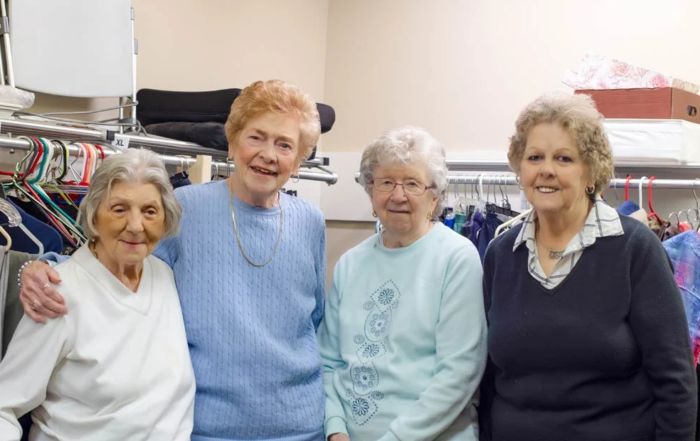
Generous Hearts and Souls Volunteer Their Time Across Masonic Village
Volunteers contribute to Masonic Village in countless ways, enhancing care for residents and assisting staff with day-to-day tasks. They also discover self-fulfillment through their efforts.
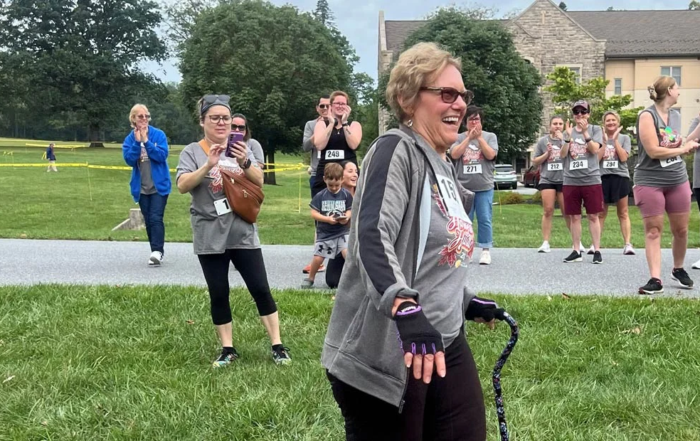
Hustling to Heal
Maureen Jackson was competing for more than a trophy when took part in Masonic Village's Harvest Hustle. Thanks to staff across the Rehabilitation, Home Health and Wellness Departments, five months after breaking her leg, she was taking back her independence one step at a time.
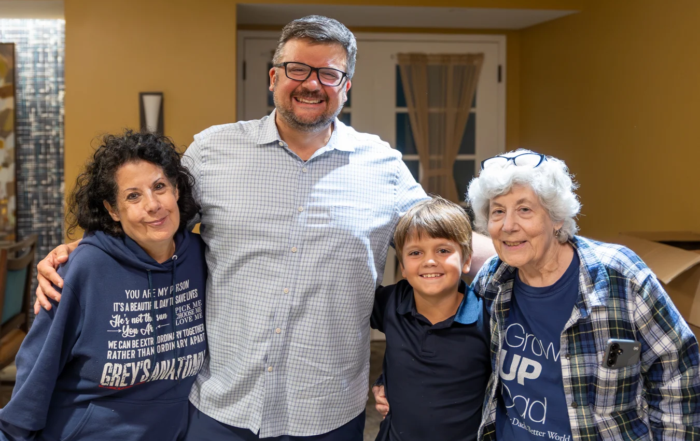
Son of Masonic Village at Lafayette Hill Resident Screens PBS Documentary on Redefining Fatherhood
Masonic Village at Lafayette Hill resident Paula Gidjunis recently screened a PBS documentary series about fathering, directed and hosted by her son, Philadelphia filmmaker Joe Gidjunis, 42.
2025 Community Impact Report
As a nonprofit organization, and as part of our Mission of Love, Masonic Village extends services to surrounding communities and individuals of all ages. Throughout 2025, our efforts focused on enhancing local businesses and nonprofits, supporting economic development, enriching students, engaging children, assisting those in need and encouraging residents’ participation.
Generous Hearts and Souls Volunteer Their Time Across Masonic Village
Volunteers contribute to Masonic Village in countless ways, enhancing care for residents and assisting staff with day-to-day tasks. They also discover self-fulfillment through their efforts.
Hustling to Heal
Maureen Jackson was competing for more than a trophy when took part in Masonic Village's Harvest Hustle. Thanks to staff across the Rehabilitation, Home Health and Wellness Departments, five months after breaking her leg, she was taking back her independence one step at a time.